
Any procedure that involves cutting into or removing tissue from your mouth, tooth extraction, or installing a dental implant is considered oral surgery. At Two Cities Dental Office, we have several sedation and comfort aids to help ease the pain.

Join 1,000's of patients
who trust our care
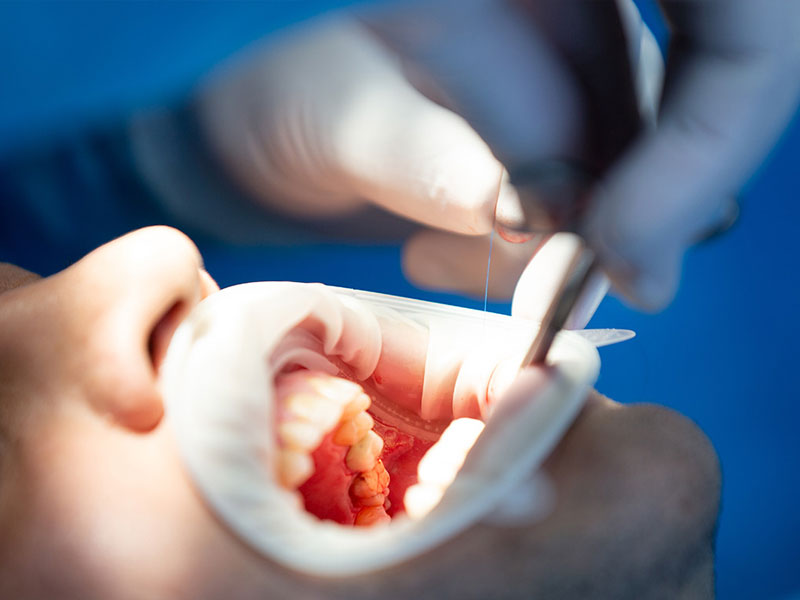
Oral surgery may be recommended when a tooth, gum tissue, or another area of the mouth requires treatment that cannot be addressed with routine dental care. Common procedures may include tooth extractions, surgical extractions, treatment of certain oral conditions, and dental implant placement.
If a tooth is severely damaged, infected, impacted, or unable to be restored, your dentist may recommend an extraction. Before treatment, an examination and dental X-rays can help evaluate the tooth and surrounding structures and determine the most appropriate approach.
Whenever possible, our dental team will discuss alternatives to extraction and explain your treatment options. Depending on the condition of the tooth, treatments such as a root canal or dental crown may help preserve the natural tooth.

Oral Surgery
Comfort aids available
Can't find what you're looking for? Give us a call at and our friendly dental receptionist will gladly answer any questions you may have.
Oral surgery may be recommended for patients who need treatment that involves removing or treating oral tissue, extracting a difficult tooth, or addressing certain conditions involving the teeth, gums, or jaw.
Examples may include surgical tooth extractions, treatment of impacted teeth, certain gum procedures, implant-related surgery, and other procedures. Your dentist will evaluate your condition and explain whether oral surgery is appropriate.
Periodontal surgery may be considered when gum disease has progressed and cannot be adequately managed with non-surgical treatment alone. The appropriate treatment depends on the severity of gum disease and the condition of the teeth and supporting tissues.
Your dentist can evaluate your gums and recommend appropriate treatment or refer you to a periodontal specialist when necessary.
Apical surgery, also known as an apicoectomy, is a procedure that may be used to treat an infection or inflammation around the tip of a tooth root when conventional root canal treatment has not resolved the problem.
During the procedure, the dentist or specialist accesses the affected area, removes the infected tissue and a small portion of the root tip, and seals the end of the root. The goal is to help preserve the natural tooth when appropriate.
A surgical extraction may be necessary when a tooth cannot be removed using a simple extraction technique. This can occur when a tooth is impacted, broken below the gumline, has complex roots, or requires removal of a small amount of surrounding bone or tissue.
Wisdom teeth are a common example, particularly when they are partially or fully impacted. Your dentist may use dental X-rays to evaluate the tooth and determine the safest extraction approach.
Not every patient requires sedation. Local anesthesia is commonly used to numb the treatment area, while additional comfort or sedation options may be considered for certain procedures or patients who experience significant dental anxiety.
Before any sedation is recommended, your dental team will review your medical history, current medications, and overall health. We will explain the available comfort options and help determine which approach is appropriate for your treatment.
Recovery time varies depending on the type and complexity of the procedure and your individual health. Some extractions may involve only a short period of soreness, while more complex surgical procedures can require additional healing time.
Your dentist will provide specific aftercare instructions, which may include a soft-food diet, appropriate oral hygiene, and guidance for managing swelling or discomfort. Following these instructions and attending recommended follow-up visits can support proper healing.
Pick a time and your preferred dentist. We'll text or call you to confirm.
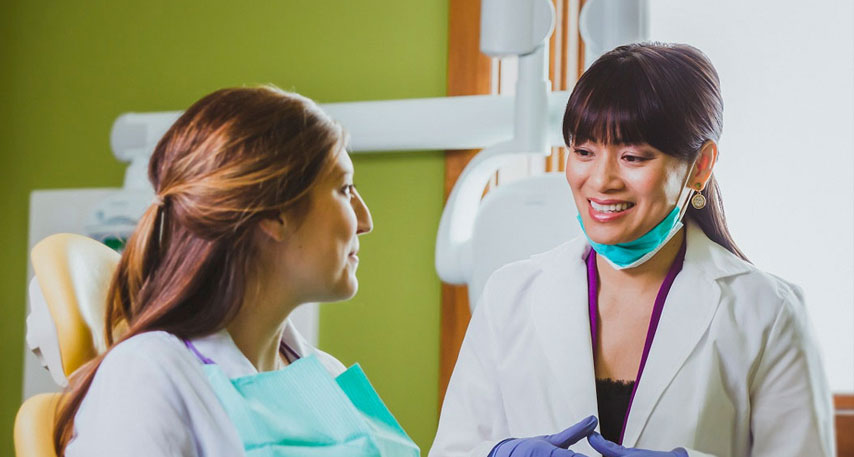
We are a family-owned & operated dental office serving the great two cities of Fresno & Clovis.
© 2026 Two Cities Dental in Fresno/Clovis. All Rights Reserved.