
When the nerve of a tooth is affected by decay or an infection, a root canal procedure is necessary. In order to ensure tooth survival, the living tissue inside the tooth known as the pulp will have to be removed along with the nerves, bacteria, and overall decay.

Join 1,000's of patients
who trust our care
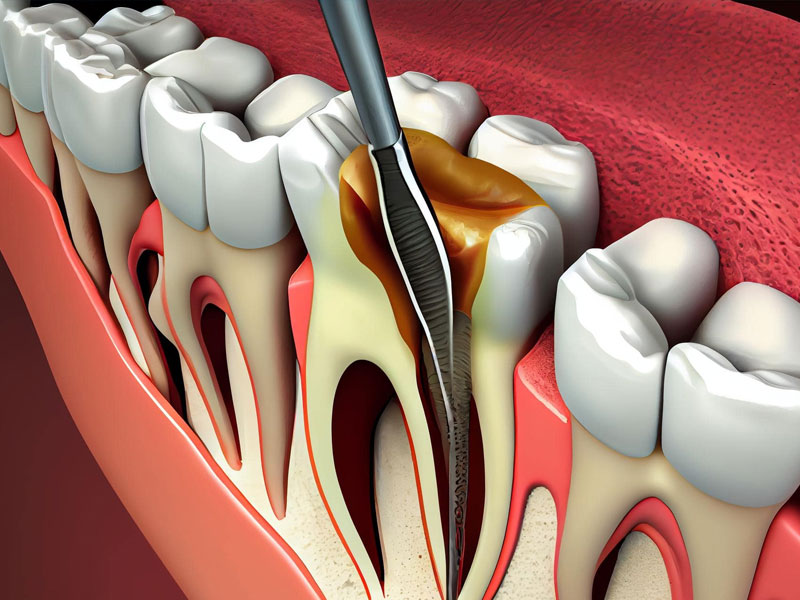
If you have persistent tooth pain, sensitivity, swelling, or signs of a dental infection, you may need root canal treatment. At Two Cities Dental, we provide personalized root canal treatment in Clovis, CA to help treat infected or damaged teeth and preserve your natural smile whenever possible.
A root canal can often relieve the pain caused by an infected tooth while allowing you to keep the natural tooth instead of having it extracted. Our team evaluates your symptoms, examines the affected tooth, and uses appropriate diagnostic imaging to determine whether root canal treatment is the right option for you.
If you are experiencing severe or sudden dental pain, visit our emergency dental care in Clovis page to learn when prompt dental attention may be necessary.


Root Canal
Comfort aids available
A root canal is a dental procedure used to treat inflammation or infection inside a tooth. The innermost portion of the tooth contains the pulp, which includes nerves and blood vessels. If bacteria reach this area because of deep decay, a crack, trauma, or another dental problem, the pulp can become inflamed or infected.
During root canal treatment, the affected pulp is carefully removed, the inside of the tooth is cleaned and disinfected, and the space is sealed. In many cases, the tooth is later restored with a dental crown to provide additional protection.
The goal of treatment is to eliminate the source of infection and preserve the natural tooth when possible.
Not every toothache requires a root canal. However, root canal treatment may be recommended when the pulp inside a tooth has become irreversibly inflamed or infected.
Common causes include:
A dental examination and appropriate X-rays can help determine the cause of your symptoms and whether root canal treatment is appropriate.
Symptoms can vary from person to person. Some people experience significant discomfort, while others may have little or no pain despite an infection.
Possible signs include:
If you have severe tooth pain or swelling, do not wait for the problem to become worse. A prompt evaluation can help determine whether you need emergency dental treatment.
When a tooth is severely infected or damaged, patients may wonder whether it should be saved with a root canal or removed with an extraction.
When the tooth can be predictably restored, root canal treatment may allow you to preserve your natural tooth. Extraction removes the affected tooth but creates a missing-tooth space that may later require replacement.
Depending on the condition of the tooth, possible alternatives may include:
Our team can evaluate the tooth and discuss the options that best fit your oral health needs.
A tooth infection can develop when bacteria gain access to the inner portion of a tooth. This commonly happens when tooth decay becomes deep enough to reach the pulp.
Other causes may include:
Regular dental examinations, professional dental cleanings in Clovis, and good daily oral hygiene can help reduce the risk of problems that may eventually lead to infection.
The exact treatment process depends on the tooth and the extent of the infection. Generally, root canal treatment involves several important steps.
Your dentist will evaluate your symptoms and examine the affected tooth. Dental X-rays may be used to assess the tooth roots, surrounding bone, and possible infection.
Learn more about dental X-rays in Clovis and how diagnostic imaging can help evaluate dental problems.
Local anesthesia is used to numb the affected area before treatment begins. If you experience dental anxiety, let your dental team know. Two Cities Dental also provides comfort-focused dental care for patients who feel nervous about dental treatment.
A small opening is made in the tooth so the dentist can access the affected pulp. The damaged or infected tissue is carefully removed.
The internal space of the tooth is cleaned and disinfected to help remove bacteria and debris.
The cleaned space is filled and sealed to help prevent bacteria from entering the tooth again.
Depending on the amount of remaining tooth structure, a filling or dental crown may be recommended to restore function and protect the tooth from further damage.
Modern root canal treatment is performed with local anesthesia to keep the treatment area numb. Many patients seek treatment because of the pain caused by the infection itself, and treating the underlying problem can help relieve that discomfort.
Some tenderness may occur after treatment. Your dentist can provide appropriate aftercare instructions based on your individual situation.
If dental anxiety has caused you to postpone treatment, ask about our comfort aid options before your appointment.
The length of treatment depends on several factors, including the location of the tooth, the complexity of the root canals, the severity of the infection, and the type of restoration needed afterward.
Some root canal treatments can be completed in one appointment, while others may require additional visits. During your evaluation, your dentist can explain the expected treatment process for your specific tooth.
A tooth that has received root canal treatment may need additional protection because significant portions of the tooth may already have been weakened by decay, cracks, previous restorations, or the treatment itself.
A dental crown can cover and protect the remaining tooth structure while restoring its shape and function.
Learn more about dental crowns and bridges in Clovis to understand how crowns may be used to restore damaged teeth.
A severe toothache can sometimes be caused by an infected or inflamed dental pulp. When this happens, delaying treatment may allow the infection to progress.
Signs that your toothache may require urgent dental attention include:
For urgent symptoms, our Clovis dental emergency service can help you understand when prompt evaluation is appropriate.
One of the major purposes of root canal treatment is to preserve a natural tooth that might otherwise require extraction.
When the tooth has enough healthy structure and can be properly restored, treating the infected pulp may allow the tooth to remain functional for many years. However, not every severely damaged tooth can be saved. The condition of the roots, remaining tooth structure, surrounding bone, and overall oral health all need to be considered.
Your dentist can explain whether saving the natural tooth is realistic in your individual case.
A dental infection generally requires professional evaluation and treatment. Without treatment, an infection may continue to develop and potentially damage surrounding tissues.
Possible complications can include:
If you develop rapidly increasing facial or neck swelling, difficulty breathing, difficulty swallowing, or other signs of a potentially serious infection, seek emergency medical care immediately.
Root canal treatment is often connected with emergency dental care because severe tooth infections can produce significant pain and swelling.
However, an emergency dental visit does not automatically mean you need a root canal. Your dentist first needs to determine the cause of the problem.
Depending on the diagnosis, treatment could involve:
That is why a professional evaluation is important when you have severe or unexplained tooth pain.
Small and moderate cavities can often be treated with a tooth-colored composite filling. A filling restores the damaged portion of a tooth without removing the entire pulp.
When decay extends into the pulp or the pulp becomes infected, a filling alone may no longer be sufficient. In these situations, root canal treatment may be necessary before the tooth is restored.
Early treatment of cavities can therefore help prevent more extensive dental problems.
After a root canal, the treated tooth may need a crown depending on its location, strength, and remaining structure.
Back teeth often experience significant chewing forces, making adequate restoration particularly important. Your dentist will evaluate the tooth and recommend the appropriate restoration.
If you already have a damaged or broken tooth, learn more about our crowns and bridges treatment.
Root canal treatment is designed to preserve a natural tooth whenever possible. However, some teeth may be too severely damaged or infected to restore predictably.
In those cases, tooth extraction or another surgical procedure may be considered. Learn more about oral surgery and tooth extractions in Clovis if your dentist determines that surgical treatment is necessary.
Not every root canal can be prevented, especially when dental trauma or an unexpected fracture occurs. However, good preventive care can reduce the risk of deep decay and other problems that may eventually affect the tooth pulp.
Helpful habits include:
Our oral hygiene education resources can help you build a consistent daily routine for protecting your teeth and gums.
Dental infections can affect patients of different ages. Children and teenagers can also develop cavities, dental trauma, or other problems that may affect developing teeth.
Two Cities Dental provides comprehensive children’s dental care in Clovis as part of a family-focused approach to oral health.
Regular preventive care can help identify dental problems earlier, before they become more complicated or uncomfortable.
Root canal treatment is only one part of comprehensive dental care. Depending on your needs, treatment may also involve preventive care, restorative dentistry, emergency treatment, or tooth replacement.
Two Cities Dental provides a range of dental services designed to help patients maintain healthy, functional smiles. Our family dentistry services include preventive, restorative, emergency, and other dental care for patients at different stages of life.
You should schedule a dental evaluation if tooth pain persists, returns repeatedly, becomes severe, or is accompanied by swelling or other concerning symptoms.
Do not assume that pain will disappear simply because it temporarily improves. Dental infections can sometimes cause symptoms that fluctuate over time.
Early evaluation gives your dentist an opportunity to identify the cause and discuss treatment options before the problem becomes more extensive.
Choosing a dentist for root canal treatment means choosing a dental team that can evaluate the problem, explain your options, and provide appropriate restorative care.
At Two Cities Dental, our approach focuses on:
If you are looking for a root canal dentist in Clovis, schedule an evaluation so your symptoms can be properly assessed and the appropriate treatment can be recommended.
Persistent tooth pain, sensitivity, pain when biting, swelling, or signs of infection may indicate a problem with the tooth pulp. However, only a dental examination can determine whether root canal treatment is appropriate.
If the toothache is caused by infected or irreversibly inflamed pulp, treating the affected tooth can address the underlying source of the problem. Your dentist will first diagnose the cause of your pain.
When a tooth can be predictably restored, preserving the natural tooth with root canal treatment may be preferable to extraction. The best option depends on the condition of the tooth and your overall oral health.
Some teeth need a crown after root canal treatment to restore strength and protect the remaining tooth structure. Your dentist will determine whether a crown is appropriate.
Children can develop deep cavities or dental injuries that affect the pulp of a tooth. Treatment depends on the child’s age, the type of tooth involved, and the condition of the tooth.
Yes. A severely infected tooth can cause significant pain or swelling and may require prompt dental evaluation. If you have severe tooth pain, swelling, or other urgent symptoms, contact a dentist as soon as possible.
Some tenderness can occur after treatment. Follow your dentist’s aftercare instructions and contact the dental office if pain becomes severe, persists, or is accompanied by significant swelling or other concerning symptoms.
If you are experiencing persistent tooth pain, sensitivity, swelling, or other symptoms that may indicate an infected tooth, Two Cities Dental can evaluate your condition and discuss your treatment options.
Our goal is to provide personalized dental care while preserving your natural teeth whenever appropriate. Whether you need an evaluation for a possible root canal, treatment for an emergency toothache, or restorative care afterward, our team can help you understand the next step.
Looking for root canal treatment in Clovis, CA? Contact Two Cities Dental to schedule a dental evaluation.
Can't find what you're looking for? Give us a call at (559) 691-6010 and our friendly dental receptionist will gladly answer any questions you may have.
A root canal is a dental treatment used to remove infected or inflamed tissue from inside a tooth. The space inside the tooth is then cleaned, shaped, and sealed to help prevent reinfection.
Root canal treatment can often allow a damaged or infected tooth to remain in place rather than requiring extraction. Your dentist will evaluate the tooth and discuss whether root canal treatment is appropriate for your situation.
Possible signs include persistent toothache, prolonged sensitivity to hot or cold, pain when chewing, swelling around the tooth, tenderness, or changes in tooth color. Some teeth with infection may cause few or no symptoms.
If you experience persistent dental pain or swelling, schedule an examination rather than waiting for the symptoms to disappear. Your dentist may use an examination and dental X-rays to determine the cause.
Modern dental techniques and local anesthesia are used to keep patients comfortable during root canal treatment. You may experience some tenderness or sensitivity after the procedure as the surrounding tissues recover.
Your dentist will explain what to expect before treatment and provide aftercare instructions. If you experience significant or persistent pain after treatment, contact your dental office for guidance.
Treatment time varies depending on the tooth, the complexity of the root canals, the extent of infection, and your individual treatment plan. Some root canals can be completed in one appointment, while others may require additional visits.
During your examination, your dentist can evaluate the tooth and explain how many appointments may be needed to complete treatment and restore the tooth.
After root canal treatment, the tooth is cleaned and sealed, but it may still require a permanent restoration. Depending on the amount of remaining tooth structure and the location of the tooth, your dentist may recommend a crown to provide additional protection.
Continue brushing and flossing normally while following any specific instructions from your dental team. Regular routine dental cleanings are also important for maintaining the health of the treated tooth and surrounding teeth.
Local anesthesia used in dental procedures is effective in preventing root canal pain during the treatment. It may not work properly in rare cases, such as when the infection has spread widely and caused changes in the acidity of the surrounding tissue.
Sometimes, teeth become discolored and turn dark or grey following a root canal treatment. This discoloration is caused by bleeding inside the tooth or by the filling material used in the procedure. Discolored teeth can be whitened.
In many cases, root canal treatment can help preserve a natural tooth that would otherwise require extraction. However, the appropriate treatment depends on the amount of healthy tooth structure remaining, the condition of the roots, and the overall health of the tooth.
If a tooth cannot be predictably restored, your dentist may discuss extraction and replacement options such as a dental implant or dental bridge.
Pick a time and your preferred dentist. We'll text or call you to confirm.

We are a family-owned & operated dental office serving the great two cities of Fresno & Clovis.
© 2026 Two Cities Dental in Fresno/Clovis. All Rights Reserved.