
Our goal at Two Cities Dental is to provide your young one with the highest dental care in a fun, family-like, and high-technology practice. We care for your children from 12-18 months through their teens and beyond.

Join 1,000's of patients
who trust our care
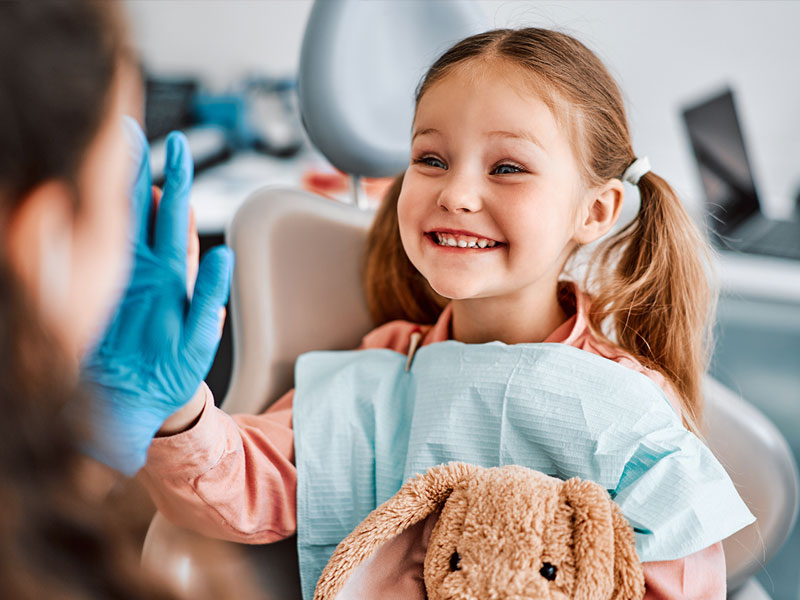
The American Dental Association recommends that children visit a dentist when their first tooth appears or by their first birthday. Although baby teeth eventually fall out, they play an important role in your child’s oral development, nutrition, speech, and future dental health.
Regular children’s dentistry can help:
For additional guidance, our oral hygiene education can help parents and children learn practical habits for maintaining a healthy smile at home.
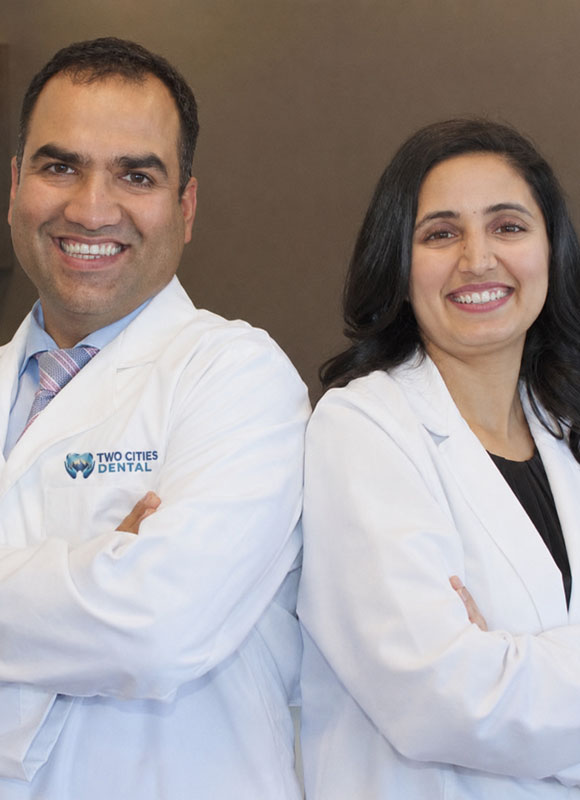

Children Dentistry
Lifetime of Good Oral Habits.
Children need dental care that changes as their teeth, jaws, and oral health develop. At Two Cities Dental, we provide children’s dentistry in Clovis, CA, with preventive and restorative dental care designed to help children maintain healthy teeth and develop good oral hygiene habits.
Regular dental visits allow our dental team to monitor your child’s developing teeth, identify potential problems early, and provide age-appropriate preventive care. We also help children and parents understand how brushing, flossing, nutrition, and regular dental visits contribute to a healthy smile.
Our children’s dental services are part of our comprehensive family dentistry in Clovis, making it convenient for families to receive dental care in one practice.
A child’s dental needs can change significantly as baby teeth develop, permanent teeth begin to erupt, and the jaw grows. Regular dental examinations can help identify concerns early and allow your dentist to monitor your child’s oral development over time.
Children’s dental care may include:
Dental examinations
Professional dental cleanings
Digital dental X-rays when appropriate
Fluoride treatment
Dental sealants
Cavity prevention
Tooth-colored composite fillings
Oral hygiene education
Evaluation of developing teeth
Treatment for dental emergencies
The appropriate care depends on your child’s age, dental development, oral health, and individual needs.
Regular dental visits do more than identify cavities. They give your child’s dentist an opportunity to monitor oral development and reinforce healthy habits at home.
During routine visits, your dental team may evaluate:
Tooth development and eruption
Signs of tooth decay
Gum health
Oral hygiene
Bite and tooth alignment
Existing dental restorations
Areas where plaque tends to accumulate
The need for preventive treatments
Regular professional dental cleanings can remove plaque and tartar while giving the dental team an opportunity to identify areas that may need additional attention.
A dental examination allows your dentist to evaluate your child’s teeth, gums, bite, and overall oral health.
The exact examination process varies according to your child’s age and dental needs. Younger children may primarily need monitoring of tooth development and preventive guidance, while older children may require additional evaluation as permanent teeth erupt.
Dental examinations can help identify:
Cavities
Early signs of tooth decay
Gum problems
Tooth eruption concerns
Damaged teeth
Bite or alignment concerns
Dental infections
Problems that may require additional treatment
If your child’s dentist recommends imaging, digital dental X-rays can provide additional information about teeth and structures that cannot be fully evaluated during a visual examination.
Even children who brush their teeth every day can develop plaque in areas that are difficult to clean effectively.
Professional dental cleanings can help remove plaque and tartar and support good oral hygiene. Dental visits also give children an opportunity to learn how to brush and floss more effectively.
Parents can reinforce these habits at home by helping younger children brush and by encouraging older children to maintain consistent brushing and flossing routines.
For more information about maintaining healthy teeth between appointments, see our oral hygiene education resources.
Dental sealants may be recommended for certain children to help protect the chewing surfaces of back teeth.
Molars have grooves and pits where food particles and plaque can accumulate. Depending on your child’s individual risk of developing cavities, a dental sealant may provide an additional layer of protection in these areas.
Sealants are only one part of cavity prevention. Regular dental examinations, professional cleanings, proper brushing, flossing, and a balanced diet remain important parts of maintaining your child’s oral health.
Tooth decay is one of the most common dental concerns affecting children. Several everyday habits can influence a child’s risk of developing cavities.
Helpful preventive habits include:
Brushing twice a day with fluoride toothpaste
Cleaning between teeth regularly
Limiting frequent sugary snacks and drinks
Drinking water throughout the day
Maintaining regular dental visits
Having professional dental cleanings
Following your dentist’s recommendations for fluoride and sealants
If a cavity develops, early treatment can help prevent further damage to the tooth.
When a child develops a cavity, a composite filling may be appropriate depending on the size and location of the decay.
Composite fillings are tooth-colored restorations designed to repair damaged tooth structure while providing a natural-looking result.
Learn more about:
Composite Fillings in Clovis, CA
Treating cavities when they are detected can help reduce the risk of pain, infection, and more extensive dental treatment later.
Dental X-rays are not automatically needed at every appointment. Your dentist may recommend imaging when it can provide useful diagnostic information based on your child’s age, dental development, symptoms, risk factors, and treatment needs.
Digital dental X-rays may help the dental team evaluate areas that cannot be fully seen during a visual examination.
For more information, visit our page about:
Your dentist can explain why an X-ray is recommended and what information it can provide.
Good dental habits begin at home.
Parents can help children develop a consistent oral hygiene routine by making brushing and flossing part of the daily schedule.
Children should learn to brush all tooth surfaces carefully, including the front, back, and chewing surfaces of their teeth.
Younger children may need assistance from a parent because they may not yet have the coordination needed to clean their teeth effectively.
Flossing helps clean areas between teeth that a toothbrush cannot reach effectively. Parents can help younger children with flossing until they are able to do it independently.
Frequent consumption of sugary foods and drinks can increase the risk of tooth decay. Encouraging balanced meals and limiting frequent sugary snacks can support better oral health.
Home care is important, but it works together with professional dental care. Regular dental examinations and cleanings allow your child’s dentist to monitor oral health and provide individualized preventive recommendations.
Some children feel nervous when visiting a dentist, particularly if they have never had dental treatment before or have previously experienced an uncomfortable appointment.
Parents can help by speaking positively and calmly about dental visits and avoiding language that may unnecessarily increase anxiety.
Our dental team can also discuss your child’s concerns before treatment and explain what will happen during the appointment in an age-appropriate way.
If your child experiences significant dental anxiety or needs additional support during treatment, learn more about our:
Creating a comfortable dental experience can help children develop a more positive attitude toward future dental visits.
Children can experience dental emergencies from falls, sports injuries, accidents, toothaches, or infections.
Contact a dentist promptly if your child experiences:
Significant tooth pain
Facial or oral swelling
A broken or severely damaged tooth
A knocked-out permanent tooth
A dental abscess
Bleeding that does not stop
An injury affecting the mouth or teeth
For urgent dental problems, see our guide to:
Emergency Dental Care in Clovis
If your child has suffered a serious facial injury, difficulty breathing, uncontrolled bleeding, or another potentially life-threatening emergency, seek appropriate emergency medical care.
Children’s teeth change considerably as they grow. Baby teeth eventually make way for permanent teeth, and the position of developing teeth can change over time.
Regular dental visits allow your dentist to monitor these changes and identify potential concerns that may benefit from additional evaluation.
If orthodontic treatment is eventually recommended, options such as Invisalign in Clovis may be discussed when appropriate for the patient’s age, dental development, and treatment needs.
Not every child needs orthodontic treatment, so your dentist or orthodontic provider can determine whether further evaluation is appropriate.
One advantage of choosing a family dental practice is that parents and children can receive different types of dental care within the same practice.
Our broader family dentistry services include preventive, restorative, emergency, and other dental treatments for patients at different stages of life.
As your child grows, their dental needs may change from basic preventive care to more advanced restorative or orthodontic considerations. Maintaining a consistent dental home can make it easier to monitor those changes.
Helping your child develop healthy dental habits early can provide benefits that continue into adulthood. Regular examinations, professional cleanings, good home care, and timely treatment can all contribute to a healthier smile as your child grows.
If you are looking for a children’s dentist in Clovis, CA, contact Two Cities Dental to schedule an appointment for your child and discuss their individual dental needs.
Looking for a dental practice with services tailored to meet your child’s oral care needs? Our dentists and the team offer a rich menu of kid-friendly services
Children should begin dental visits early in childhood so their oral health and developing teeth can be monitored. Your dentist can recommend an appropriate schedule based on your child's age and individual needs.
The appropriate frequency depends on your child's oral health, cavity risk, dental development, and other individual factors. Your dentist can recommend a schedule during your child's examination.
Dental X-rays use a small amount of radiation and are recommended when the diagnostic information is useful for the child's care. Your dentist will determine when imaging is appropriate based on your child's individual circumstances.
A persistent or severe toothache should be evaluated by a dentist. If your child also has swelling, fever, an abscess, trauma, or other concerning symptoms, seek prompt dental care. You can also review our emergency dental care information.
Yes. Baby teeth can develop cavities and may require dental treatment. Maintaining good oral hygiene, limiting frequent sugary foods and drinks, and attending regular dental appointments can help reduce the risk of tooth decay.
Pick a time and your preferred dentist. We'll text or call you to confirm.
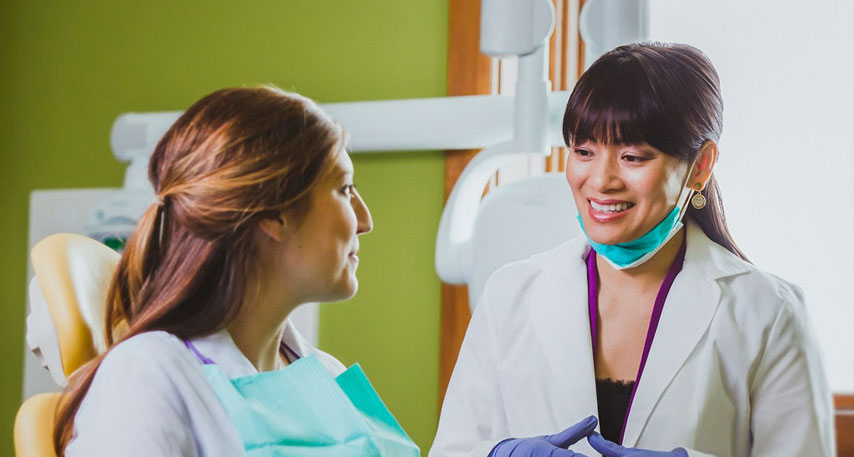
We are a family-owned & operated dental office serving the great two cities of Fresno & Clovis.
© 2026 Two Cities Dental in Fresno/Clovis. All Rights Reserved.