
Practicing good oral hygiene is of the utmost importance. To ensure all our dental patients maintain healthy, clean, and fresh teeth and gums, we encourage them to schedule regular dental check-ups and cleanings with our highly trained Dentists every 4-6 months.

Join 1,000's of patients
who trust our care

A consistent daily oral hygiene routine can help protect your teeth and gums between dental visits. Brushing twice a day with fluoride toothpaste, cleaning between your teeth daily, and maintaining a balanced diet are all important parts of preventive dental care.
Regular routine dental cleanings and dental examinations can also help remove buildup that brushing alone may miss and allow your dentist to identify potential concerns early. Depending on your individual needs, we can provide guidance on brushing techniques, flossing, nutrition, fluoride, and other habits that support a healthy smile.
Our goal is to help you understand how everyday choices affect your oral health and create a practical routine that works for you and your family.


Oral Hygiene
Prevention is key
Can't find what you're looking for? Give us a call at and our friendly dental receptionist will gladly answer any questions you may have.
Most patients should brush their teeth twice a day using fluoride toothpaste. Brush gently for about two minutes and clean all surfaces of your teeth, including the front, back, and chewing surfaces.
Your dentist may recommend specific products or techniques based on your oral health needs. Regular brushing works best when combined with daily cleaning between your teeth and professional preventive care.
Cleaning between your teeth should generally be part of your daily oral hygiene routine. Dental floss can help remove plaque and food particles from areas a toothbrush may not reach effectively.
Depending on the spaces between your teeth or the type of dental work you have, your dentist may recommend floss, interdental brushes, or another cleaning aid. We can show you how to use the appropriate technique during your visit.
Even with consistent brushing and flossing, plaque can accumulate and harden into tartar in areas that are difficult to clean at home. Professional dental cleanings help remove buildup and allow your dental team to evaluate your teeth and gums.
Regular visits also provide an opportunity to identify concerns such as cavities, gum problems, or damaged restorations before they become more serious.
Good oral hygiene and preventive dental care can help reduce your risk of cavities. Brush twice daily with fluoride toothpaste, clean between your teeth every day, and limit frequent exposure to sugary foods and drinks.
Regular dental visits can also help detect tooth decay early. If a cavity develops, treatment such as a composite filling may be recommended to restore the affected tooth
Healthy gums depend on consistent plaque control and regular dental care. Brush gently along the gumline, clean between your teeth daily, and attend recommended dental checkups and cleanings.
If you notice bleeding, swelling, persistent bad breath, or changes in your gums, schedule a dental examination. Early evaluation can help determine the cause and identify appropriate treatment.
Children should begin developing good oral hygiene habits early. Parents can help young children brush their teeth properly, use an age-appropriate amount of fluoride toothpaste, and establish a consistent daily routine.
As children grow, regular children's dentistry visits can help monitor their oral development while providing age-appropriate education about brushing, flossing, nutrition, and cavity prevention.
Pick a time and your preferred dentist. We'll text or call you to confirm.
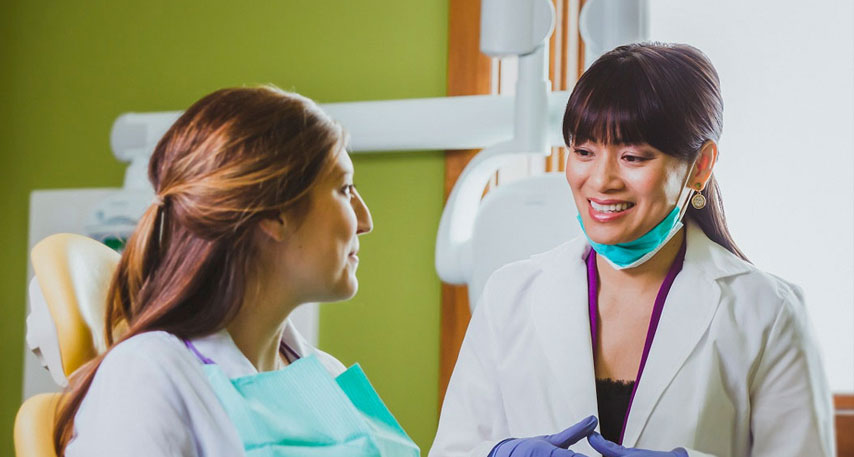
We are a family-owned & operated dental office serving the great two cities of Fresno & Clovis.
© 2026 Two Cities Dental in Fresno/Clovis. All Rights Reserved.